

You watched the last thirty videos in your feed on mute.You just did not notice.
Nobody reaches for the volume anymore. The feed plays silently. The captions carry the words. The image carries the mood. And the thumb decides in two seconds whether to stay or leave.
Which means your video is being experienced as a silent film. And you edited it like a podcast. Your voice carries the joke. The music carries the emotion. The pacing lives in the audio. And your viewer gets none of that. They see a person moving their mouth in a quiet room.
So the video feels flat. Not because it is bad. Because it was built to be heard, not seen.
Here is the part most creators never think about.The screen takes things from you.
Your charisma shrinks. Your meaning gets thinner. A prop that felt huge in your hands looks small on a six inch display. The energy you felt while filming arrives at half strength. The lens eats presence. Every lens does.
And this is exactly the problem theater actors solved five hundred years ago.
In theater, you project. You gesture bigger than real life. You make every expression slightly too much, because the distance between the stage and the last row eats subtlety alive. What feels exaggerated up close feels right from twenty meters away.
Your phone screen is the distance.So you do the same thing. Slightly bigger gestures. Clearer expressions. Props that read at a glance. Framing that makes the important thing undeniably big in the frame.
You are not overacting. You are compensating for the glass between you and the viewer.
And then, captions.
They are not a nice addition. They are the voice of your silent film. They are intertitles, exactly like 1927. If your viewer watches on mute and your captions are missing or tiny or buried under the like button, your video has no words. No hook. No reason to stay.
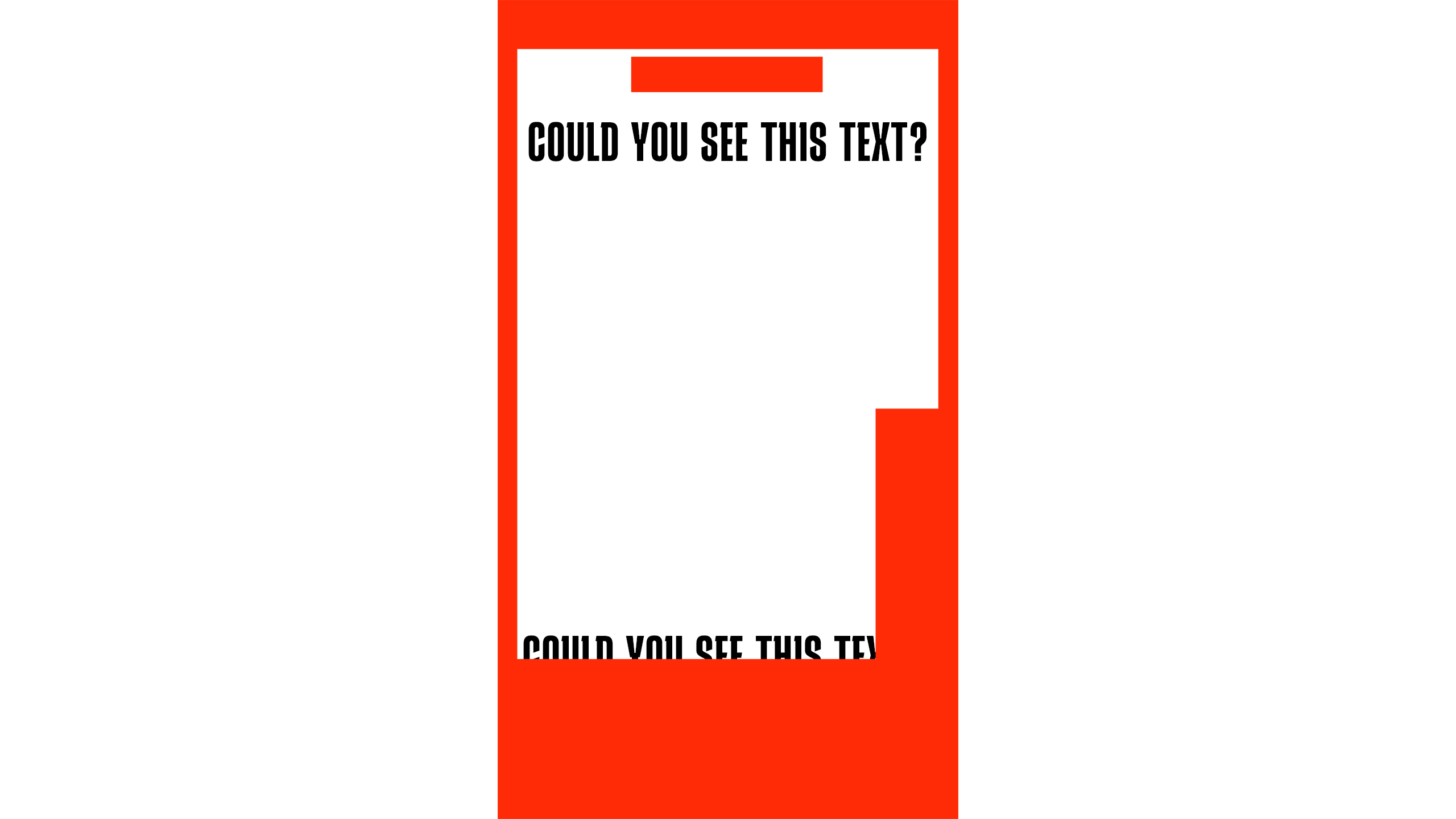
Put them in the safe zone. Make them readable. Write them like sentences, not transcriptions. One idea per line. Big enough to read without squinting.
Quick test for your next video. Watch it back with the sound completely off. Does it still make sense? Does the image carry the story? Can you follow the rhythm without hearing anything?If yes, you made a silent film that works. Add sound on top as a bonus layer.If no, it is not a sound problem. It is a storytelling problem. The image was never doing the work.
I have been making a YouTube video about the year sound arrived in cinema. 1927. Careers lived and died. And the strangest part of that story is the ending. Because we went full circle. We built cathedrals of sound. And then we all started watching on mute. Silent cinema again. We just did not notice.
The full video is coming to the channel soon.
My youtube channel - https://www.youtube.com/@alversuscinema

Warmly,
AL.
P.S. Visual storytelling, pacing, and the full structure from the first frame to the last cut all live in the mini course. It works with the sound on or off.